— Databricks consulting · lakehouse engineering
We build the lakehouse, then we make it hold.
Most Databricks programmes do not fail on the platform. They fail because a broken process got automated faster, or because nobody governed the data the agents were about to read. We rebuild the pipeline and the process together.
— The pattern · three failure modes
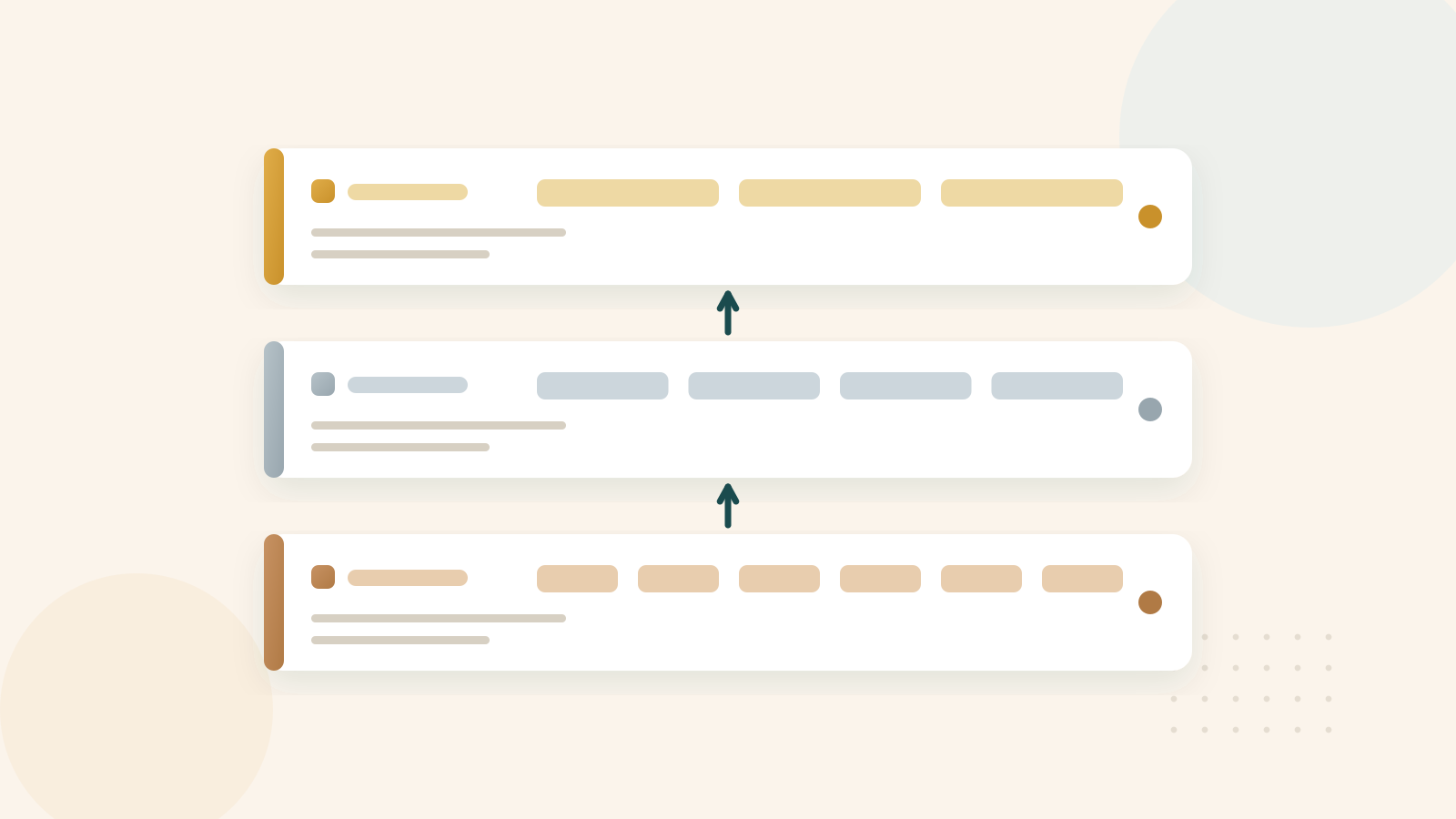
Three things go wrong, and only one of them is technical.
The silver layer never conformed
Sources land, nothing reconciles, and the agent built on top answers confidently and wrongly. Conforming is the work. It is also the part everyone skips.
Everyone owns one narrow slice
A year in, you have engineers who each know one corner of the platform and nobody who can see the whole pipeline. The gaps show up as outages nobody can trace.
The bill grows faster than the value
Compute nobody scheduled, jobs nobody retired, a warehouse running all night for a dashboard three people open. Cost is a process problem in a platform costume.
— The work · four streams
What we actually do.
Most engagements start with one and pull in the next.
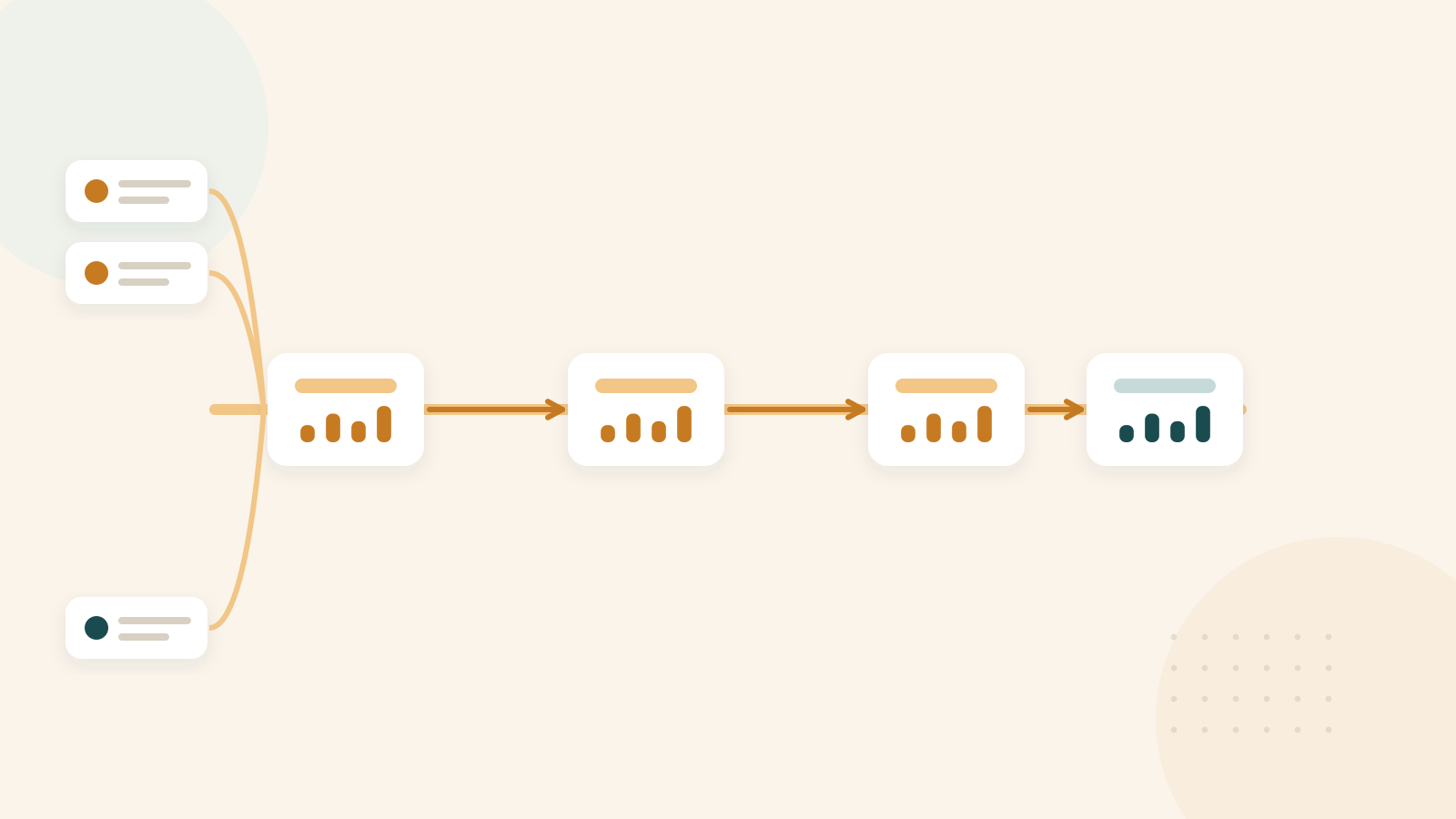
Lakehouse build, migration and orchestration
Bronze, silver and gold over your real source systems — SAP, NetSuite, SharePoint, whatever you actually run. Auto Loader, AUTO CDC, LakeFlow and Asset Bundles, with scheduling, dependencies and failure recovery your team can maintain after we leave.
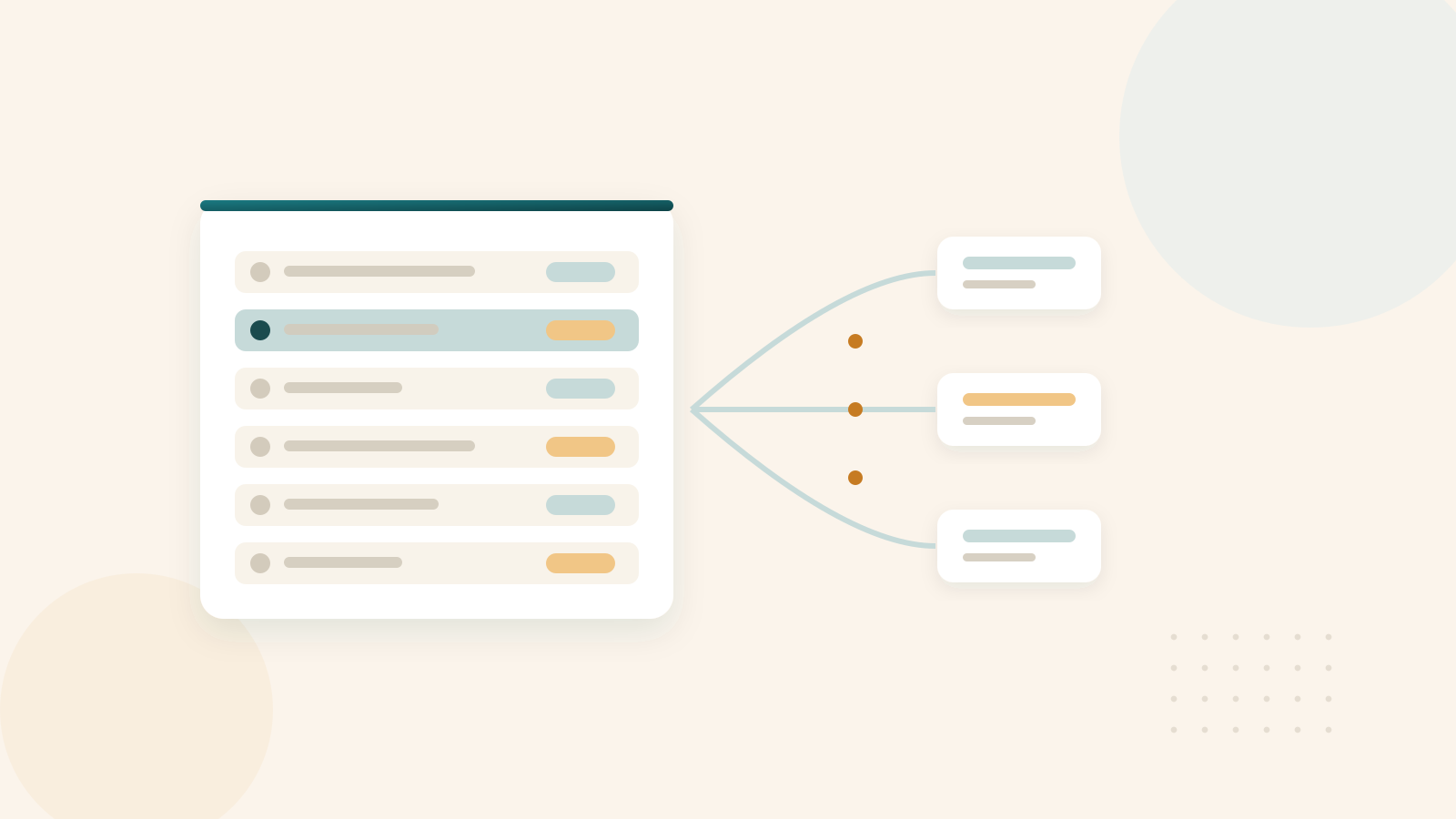
Governance, data quality and platform cost
Unity Catalog, lineage and a data-quality programme run as DMAIC rather than as a policy binder — with a control plan, so it does not decay the month after launch. Then the compute nobody scheduled and the jobs nobody retired.
— The method · AIM-IT
Five phases, every time.
Assess
Where the process breaks, before a line of platform work starts.
Innovate
Design the target flow, not the one the old tool forced on you.
Model
Prove it on real data at small scale, with the numbers written down.
Implement
Build it in your workspace, with your team in the room.
Track
A control plan, so the gain is still there in ninety days.
— The deliverable
What you get.
- A governed bronze, silver and gold layer over your real source systems.
- Orchestrated pipelines on a schedule, with failure recovery and observability.
- Gold views your BI tool can read without a translation layer.
- A written control plan — what is measured, how often, and who owns it.
- Your team able to run it. We are not trying to become permanent.
AIMContext MVP
Governed data foundation, fixed scope, from $3,500. Typical first build lands in 14 days.
Backed by the 60-Day Ship Guarantee.
— Straight answers
Questions we get asked first.
Are you a certified Databricks partner?
No, and we will not imply otherwise. Certification is in preparation. What we bring is thirty years of delivering the systems this data comes out of — ERP, quality and BI inside IBM, Ernst and Young, Johnson and Johnson and McKesson — plus Lean Six Sigma at Master Black Belt level. Ask us for the work, not the badge.
How small is too small?
If you have two or three real source systems and somebody who cares whether the numbers reconcile, there is a lakehouse engagement here. If you are a local business wanting a website and some ads, we are the wrong firm and will say so on the first call.
We already have Databricks. Do you still help?
That is most of our work. The common pattern is a platform live eighteen months, several engineers who each know one corner of it, and nobody who can see the whole pipeline. We map it, fix the silver layer, and leave a control plan behind.
Databricks or Snowflake?
It depends on your workload mix, your team, and what your BI layer already reads. We work on both and we will tell you when Snowflake is the better answer for you. A consultant who only ever recommends one platform is telling you about their bench, not your problem.
What does it cost?
AIMContext starts at $3,500 for a fixed-scope governed data foundation. Larger migrations are quoted after the assessment, because an honest number needs to see your sources first. Every engagement carries the 60-Day Ship Guarantee.
Start with the assessment, not the migration.
One call, your real sources on the table, and an honest read on whether the lakehouse is the right next move at all.